
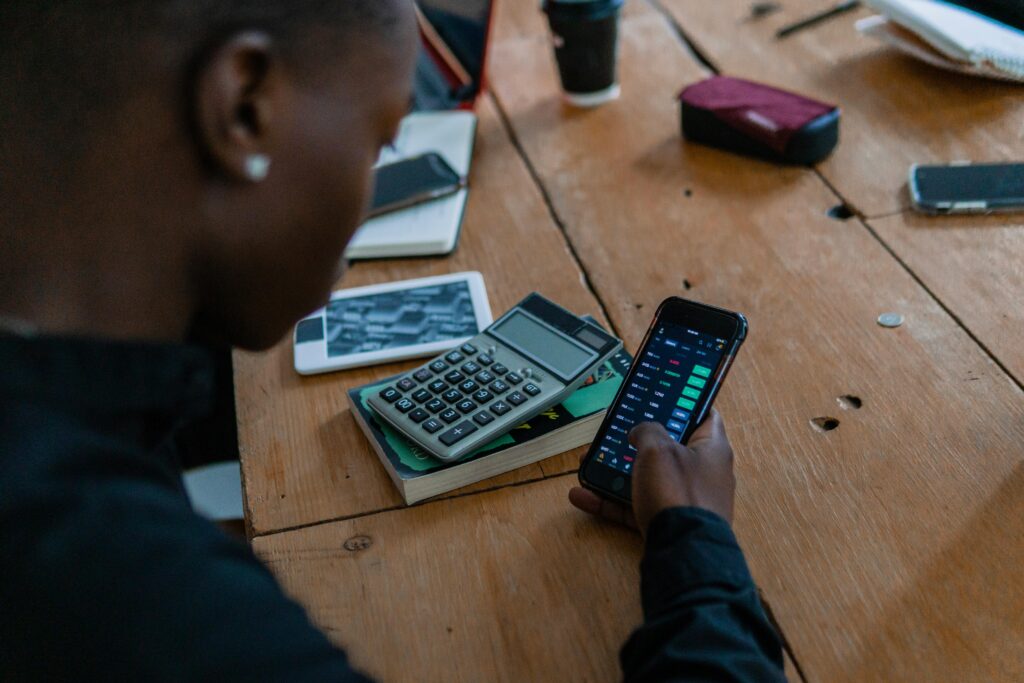
Finance tracker tools are useful because they turn vague money stress into something you can actually see and manage.
A lot of people know they should keep track of spending, but real life makes that harder than it sounds. Money leaves your account in small, forgettable ways: a coffee here, a subscription there, an unplanned grocery run, a takeaway meal after a long day. None of it feels huge on its own. Together, it changes your month.
That is where a finance tracker earns its place. A good one does not make you feel like you need an accounting degree. It helps you notice where your money is going, make a few better decisions, and stay consistent enough to feel more in control.
This is not about building the perfect system. It is about building one you will still use next week.
What a finance tracker actually does
At the simplest level, a finance tracker helps you record income, expenses, and spending habits in one place. That sounds basic, but it solves a real problem: memory is bad at money.
Most people can tell you roughly what they spend on rent or utilities. Fewer can tell you how much disappears each month into convenience spending, duplicate purchases, low-use subscriptions, or just this once buys. A finance tracker makes those patterns visible.
That is also why many public budgeting resources still start with the same core step: write down what comes in, write down what goes out, and compare the two. Consumer.gov centers its budget worksheet on that idea, and MyMoney.gov takes a similarly practical approach by helping you review where your money goes before you try to change it.
A finance tracker can help you:
- see your real monthly spending
- spot categories that grow quietly
- prepare for bills that do not happen every week
- compare spending against savings goals
- reduce the "Where did my money go?" feeling
Used well, it becomes less of a logbook and more of a decision tool.
Why people stop tracking money
Most people do not quit because money tracking is useless. They quit because the system asks too much from them.
Some common reasons:
- too many categories
- too much manual input
- guilt after overspending
- unrealistic expectations
- a setup that feels like work
This matters because personal money management only works when it fits normal life. If a tracker expects you to tag every purchase with microscopic detail forever, many users will drop it.
That is why simple often beats powerful. A spending app that is easy to open and easy to maintain usually helps more than a feature-heavy tool that feels exhausting after three days.
The easiest way to use a finance tracker in real life
The best approach is lighter than most people think.
Start with only a few spending categories
You do not need 27 labels. Start with categories that reflect how you actually think about your money.
For most people, these are enough:
- housing
- groceries
- transport
- eating out
- shopping
- bills
- health
- savings
- other
That is enough structure to reveal habits without making entry annoying.
Track often, not perfectly
Perfect tracking sounds nice. Consistent tracking helps more.
A quick daily check-in, or a short catch-up every evening, is easier than trying to reconstruct a week of spending from memory. The goal is not to produce flawless data. It is to stay close enough to your money that surprises get smaller.
MyMoney.gov tools make the same practical point: tracking spending regularly is what keeps your picture realistic.
Look for patterns, not guilt
A finance tracker should help you notice, not shame you.
If you spent more than planned on food delivery this month, that is information. If your transport costs jumped, that is a clue. If weekend shopping keeps eating into savings, that is a pattern.
The point is not to prove you are bad with money. The point is to make the next decision easier.
What to look for in a good spending app
Not every spending app is useful in practice. Some look polished but create friction once daily life gets messy.
A good finance tracker should feel clear in the first few minutes. It should help you record expenses quickly, review totals easily, and understand your spending without digging through menus.
Here is what actually matters:
Fast expense entry
If adding a purchase takes too long, you will skip it.
Clear categories
You should be able to see where money goes at a glance.
Useful summaries
Daily logging matters, but weekly and monthly views are where the insights appear.
Low mental load
A money manager app should reduce stress, not become another task to avoid.
A setup that works for normal life
People buy groceries, forget receipts, split costs, pay bills on odd dates, and make imperfect choices. A useful app should still work inside that reality.
If you want a deeper look at what makes a simple tracker stick, our spending app guide expands on the habits and app traits that make daily money tracking easier to keep up.
Finance tracker vs budget app: do you need both?
Sometimes these terms overlap, and that is fine.
A finance tracker focuses on recording and reviewing what happened. A budget app helps you plan what you want to happen.
In everyday use, many people want both in one place. They want to log spending, compare it to a simple budget, and adjust as the month moves along. That is usually the most practical setup.
So if you are searching for a money tracker or a money manager app, you do not need to obsess over labels. What matters is whether the tool helps you record spending easily, understand categories, compare real spending with your plan, and keep using it consistently.
A simple weekly routine for personal money management
You do not need a full Sunday finance ritual with spreadsheets and graphs.
A simple 10-minute weekly check is often enough:
Step 1: Add any missing expenses
Catch up on anything you forgot.
Step 2: Review your biggest categories
Check groceries, transport, eating out, and shopping first.
Step 3: Notice what changed
Did one category spike? Was it expected or not?
Step 4: Adjust the next week
Maybe you cook more, pause extra purchases, or move part of your budget around.
Step 5: Keep it calm
The goal is correction, not self-criticism.
This kind of rhythm is what makes a finance tracker useful over time. It helps you respond before the month is over, not after the damage is done.
How OneKitPlus Budget fits into everyday use
If you want something practical rather than overbuilt, OneKitPlus Budget is the most relevant fit for this topic.
It suits people who want a straightforward way to keep an eye on spending, review categories, and stay more intentional with day-to-day money decisions. That makes it a good match for users looking for a spending app that feels manageable rather than heavy.
It can also sit nicely inside a broader everyday toolkit. If you want to explore other simple tools built for daily use, the OneKitPlus apps page is a natural place to look.
That is the real appeal here: simple tools tend to survive real routines. And the best finance tracker is often the one you do not mind opening regularly.
Common mistakes that make money tracking harder
A finance tracker helps most when you avoid a few common traps.
Trying to fix everything in one month
You do not need to overhaul your whole financial life at once. Start by understanding it.
Tracking too much detail
If every purchase needs a mini-analysis, the system becomes tiring.
Ignoring irregular expenses
Annual renewals, school costs, car repairs, gifts, and seasonal bills matter. A good tracker should leave room for them.
Checking totals without context
It is not enough to see that you spent more. Ask why. Was it a one-off expense or a repeated habit?
Quitting after one messy week
Money tracking works because of repetition, not perfection.
Is a finance tracker worth using?
For many people, yes.
Not because it magically solves money problems, but because it gives you a clearer view of your actual habits. That clarity is useful whether you are trying to cut back, save more, stop overspending, or simply feel less unsure about your month.
If your current system is check bank balance and hope for the best, a finance tracker is a real upgrade.
And if you choose a tool that stays simple, the habit becomes easier to keep. That is usually the difference between something you try once and something that actually improves your day-to-day money decisions.
FAQ
What is a finance tracker?
A finance tracker is a tool that helps you record income and expenses so you can see where your money goes and make better spending decisions.
Is a finance tracker the same as a budget app?
Not always. A finance tracker usually focuses on recording and reviewing spending, while a budget app also helps you plan limits or targets. In practice, many people prefer a tool that does both.
How often should I update a money tracker?
Daily is ideal if you want the clearest picture, but even a short check a few times a week can work well if you stay consistent.
What categories should I start with?
Start simple: housing, groceries, transport, bills, eating out, shopping, savings, and other. You can always refine later.
Can a spending app really help me save money?
Yes, because it makes patterns visible. Once you can see where your money goes, it becomes much easier to adjust habits and protect part of your income.
If you want a simpler way to keep an eye on everyday spending, try OneKitPlus Budget. It is a practical option for people who want clearer money tracking without turning personal finance into a full-time project.